
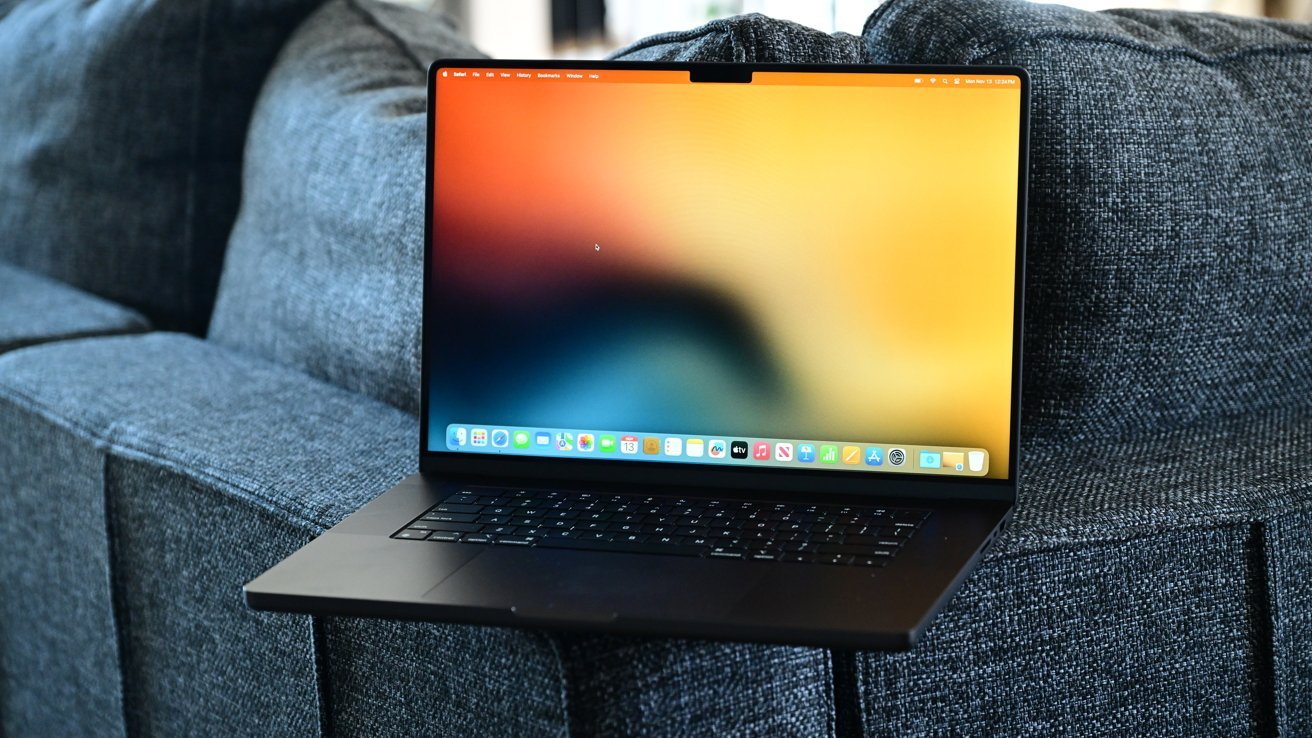
By 2026, macOS has evolved into a highly intelligent, tightly integrated, and performance-optimized platform that reflects Apple’s long-term strategy: seamless hardware–software synergy, privacy-first design, and deep ecosystem unification. Rather than radical change, macOS in 2026 represents strategic refinement — making everyday computing smarter, faster, and more cohesive across all Apple devices.
A Deeper Symbiosis with Apple Silicon
Apple’s custom silicon continues to define macOS. With generational improvements in efficiency cores, neural engines, and graphics performance, Macs in 2026 deliver exceptional speed while maintaining industry-leading battery life. macOS fully exploits this architecture through optimized scheduling, thermal management, and AI acceleration — allowing demanding workloads such as 3D rendering, software development, and professional video editing to run with extraordinary responsiveness.
AI as a Core Experience, Not a Feature
Artificial intelligence is now embedded deeply into macOS rather than being an add-on. Intelligent writing assistance, automated organization tools, real-time system optimization, contextual recommendations, and natural-language-driven system interactions redefine how users engage with their computers. Many AI processes operate on-device, ensuring privacy while maintaining performance consistency, while cloud intelligence extends capabilities when needed.
Privacy and Security Remain Non-Negotiable
In a world of increasing digital risk, macOS 2026 reinforces Apple’s long-standing security philosophy. System-level sandboxing, hardware-anchored encryption, biometric protections, and continuous threat monitoring create a secure computing foundation. Apple’s privacy principles remain central: user data processing is minimized, anonymized, and increasingly handled locally rather than remotely.
A More Unified Cross-Device Experience
The Apple ecosystem in 2026 is more interconnected than ever. Macs, iPhones, iPads, Apple Watch, and even Vision-based devices operate in a near-frictionless environment. Universal control, cross-device continuity, shared clipboard functionality, synchronized workspaces, and seamless app transitions provide users with a consistent experience regardless of screen size or device type.
For professionals, this creates a unified workflow environment. For everyday users, it enhances convenience and usability without technical complexity.
Stronger Creative and Professional Workflows
macOS continues to be the platform of choice for creators, designers, developers, and media professionals. Enhanced performance frameworks, powerful native applications, and improved compatibility with third-party professional software extend macOS’s value proposition. Video editing, music production, animation, and AI-assisted creative tools benefit significantly from Apple Silicon advancements and optimized macOS architecture.
Stability, Refinement, and User Experience Consistency
Rather than chasing dramatic visual redesigns, Apple prioritizes stability, user experience refinement, and operational reliability. macOS in 2026 focuses on smarter multitasking, more intuitive UI flows, reduced friction in daily tasks, and system efficiency — reinforcing Apple’s design philosophy of functional elegance.
Conclusion
macOS in 2026 embodies maturity, intelligence, and integration. It is not just an operating system; it is the backbone of a unified Apple ecosystem built around performance, privacy, creativity, and user-centric design. As Apple continues advancing its silicon, AI intelligence, and ecosystem connectivity, macOS remains positioned as one of the most sophisticated and dependable computing platforms of the modern era.